Table of Contents
What’s your character’s greatest fear?
Is it physical danger or the death of a loved one? Something less primal, like change, infidelity, rejection, or failure? Whatever they fear the most, it will spread like a plague, infecting their thoughts, decisions, actions, and desires with the end goal of keeping that dreaded thing from occurring.
The desire to protect themselves, while understandable, will create a void in one of their basic human needs, leading to deep dissatisfaction they’ll eventually be forced to address. And the process of trying to fill that void will play out in their character arc.
To craft a story that allows them to successfully navigate that arc and achieve their story goal, we need to understand the connection between fears and human needs. So let’s start there.
How are human needs and fears connected?
In case you’ve forgotten that psychology class you took back in the day, Abraham Maslow was the psychologist who determined that five primary human needs drive all behavior:
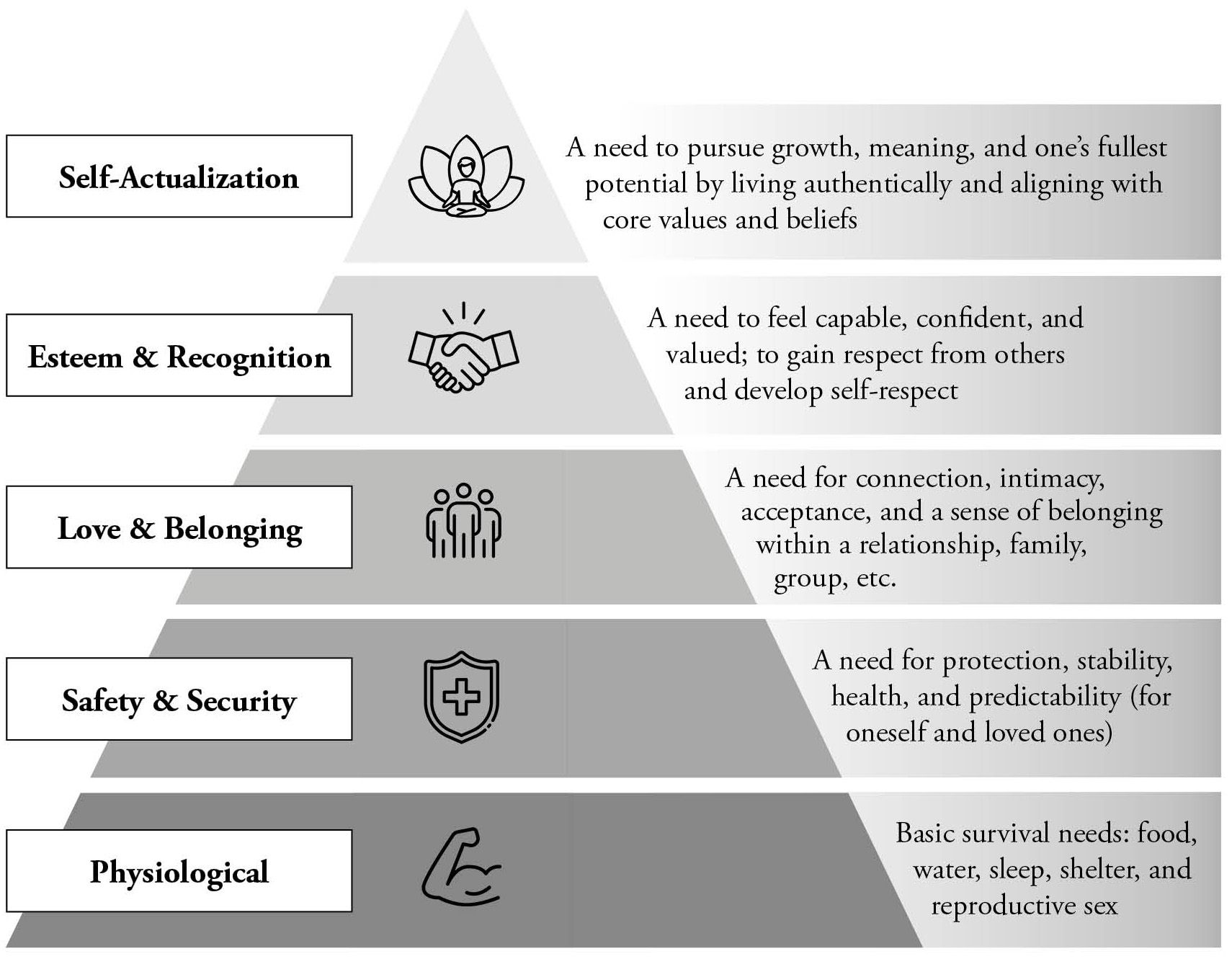
These needs represent the nonnegotiables for a human being—and a character—to feel complete. If one of them is absent, their life will be unsatisfying, as we see in the following example.
Tim is happy, with all the resources he needs to live a good life (physiological needs). He has a house in a safe neighborhood (safety and security), a caring family (love and belonging), and a passion for restoring old canoes (self-actualization). He works at a local golf course as a groundskeeper and feels pride in maintaining its beauty (esteem and recognition).
Life is wonderful until the head groundskeeper retires. Instead of promoting someone from within, the owner’s kid, Liam, gets the job. For some reason, Liam takes an instant dislike to Tim. He calls Tim out in front of everyone and invents ways he’s dropped the ball. He even foists his managerial responsibilities onto Tim to cover up his own inadequacies. Everyone sees that this treatment isn’t warranted, but they’re afraid to complain to the owner about his idiot kid’s behavior.
Tim feels betrayed by his coworkers, especially considering all the times he’s gone to bat for them. But what really gets under his skin is the disrespect and abuse from someone half his age with no experience. Tim is the best groundskeeper at the course—and until recently, it’s been a great career. But now he finds himself looking into job openings at other courses, wondering if he’d be happier somewhere else.
What’s really happening is Tim’s hierarchy of human needs has a hole in it where esteem and recognition used to be. Mistreatment and disrespect have created an unmet need, and the worse the situation gets, the more likely he is to take action to fill that void.
Tim’s situation has shown him a sad truth: Not everyone values or respects him the way he deserves. And why is that? It must be something he’s done, a vibe he puts out that makes him an easy target. On top of that, the guys at work don’t have his back. Clearly their friendship isn’t as solid as he thought.
When Liam finally goes too far, Tim quits. He secures another job at a new golf course, but in the back of his mind, he fears the same mistreatment could happen again. He protects himself by being aloof with new coworkers so they can’t disappoint him later. And rather than go above and beyond to show his work ethic, he sticks to his duties, believing any extra effort won’t be recognized and he’ll only be taken for granted again.
Fear is a funny thing, because while Tim’s protective measures seem to make sense, they’re going to create new problems. He won’t build healthy relationships with his new colleagues (goodbye, love and belonging) and a lackluster performance at work will make promotions unlikely (meaning his esteem and recognition will continue to suffer). Ironically, holding back out of fear will result in less fulfillment for Tim.
So how will he break the cycle and find fulfillment again? He has to face his fear of being taken for granted and recognize that it’s holding him back. He’ll need to identify and change the attitudes and behaviors that are keeping esteem and recognition beyond his reach. Facing his fear and making positive changes are how he fills that void and achieves his goal.
This is the blueprint for every character with a change arc, and you can use it to create an arc for your protagonist that will enable them to overcome their fear and find success. You just need to know a few key pieces of information.
Their greatest fear
Big fears will often emerge from a past wound or trauma, so knowing these important backstory events for your character can help you figure out what’s driving them.
Tim’s biggest fear is being taken for granted, something he experienced when he was passed over for promotion and mistreated by the nepo baby at work. What does your character fear the most? Dig into their backstory to note any formative events and what fears could stem from them.
Their false belief
The wounding event will spawn a lie that helps the character make sense of their hurt and why it happened. But it’s a false belief, warping how they view themselves, others, and the world while reshaping their expectations for the future.
Tim’s lie is that he was taken for granted because he’s weak. What false idea does your character embrace about themselves, other people, or the world in general to explain why they were hurt?
Their emotional shielding
When you know the lie that’s embedded in the character’s psyche, you can identify the emotional shielding they’ll put in place to keep their biggest fear from recurring. This could consist of attitudes, biases, dysfunctional behaviors, bad habits, flaws, and unhealthy coping mechanisms.
Tim’s false belief that his own weakness caused others to mistreat him pushed him to withdraw from his peers and underperform at work. What shielding measures will your character embrace to keep their greatest fear from reocurring?
Their missing human need
Those protective measures will create a void in one of the character’s five basic human needs.
Tim’s isolation and underachievement manifest the lack of esteem he’s trying so hard to avoid. What human need is your character’s emotional shielding undermining?
With these crucial links in the backstory chain in place, you have a clear picture of your character at the start of the story: wounded, fear-driven, believing a lie, and making choices that are meant to protect but create a void that leaves them dissatisfied and unhappy. You’ll also know what they’ll have to do (face their fear and change any shielding behaviors that are keeping them from success) to achieve their goals.
It takes work to put these pieces together, but it pays off in the form of a character who feels authentic—someone readers can relate to and empathize with and want to follow to the end of the story.
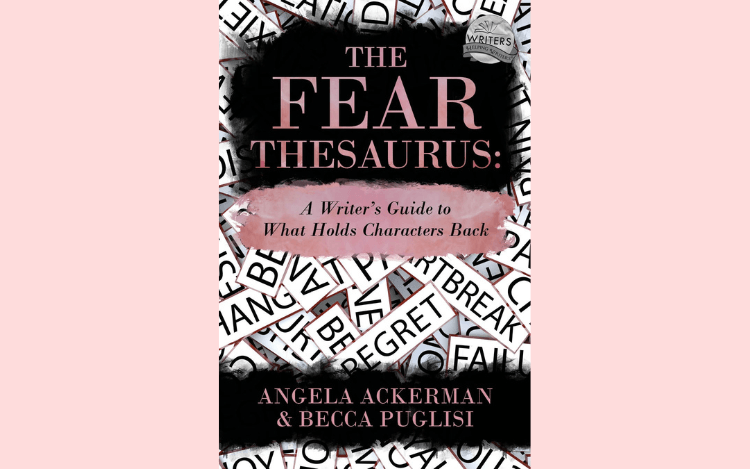
For more information about fears and their role in character arc and story structure, check out The Fear Thesaurus: A Writer’s Guide to What Holds Characters Back.

Write like a bestselling author
Love writing? ProWritingAid will help you improve the style, strength, and clarity of your stories.